
Early Feasibility and Zoning Analysis
for Residential Projects
Early Truth Over Late Surprises
Clear answers before design, financing, or construction decisions
The Feasibility Gap
Many residential projects fail or stall because key questions are not answered early enough.
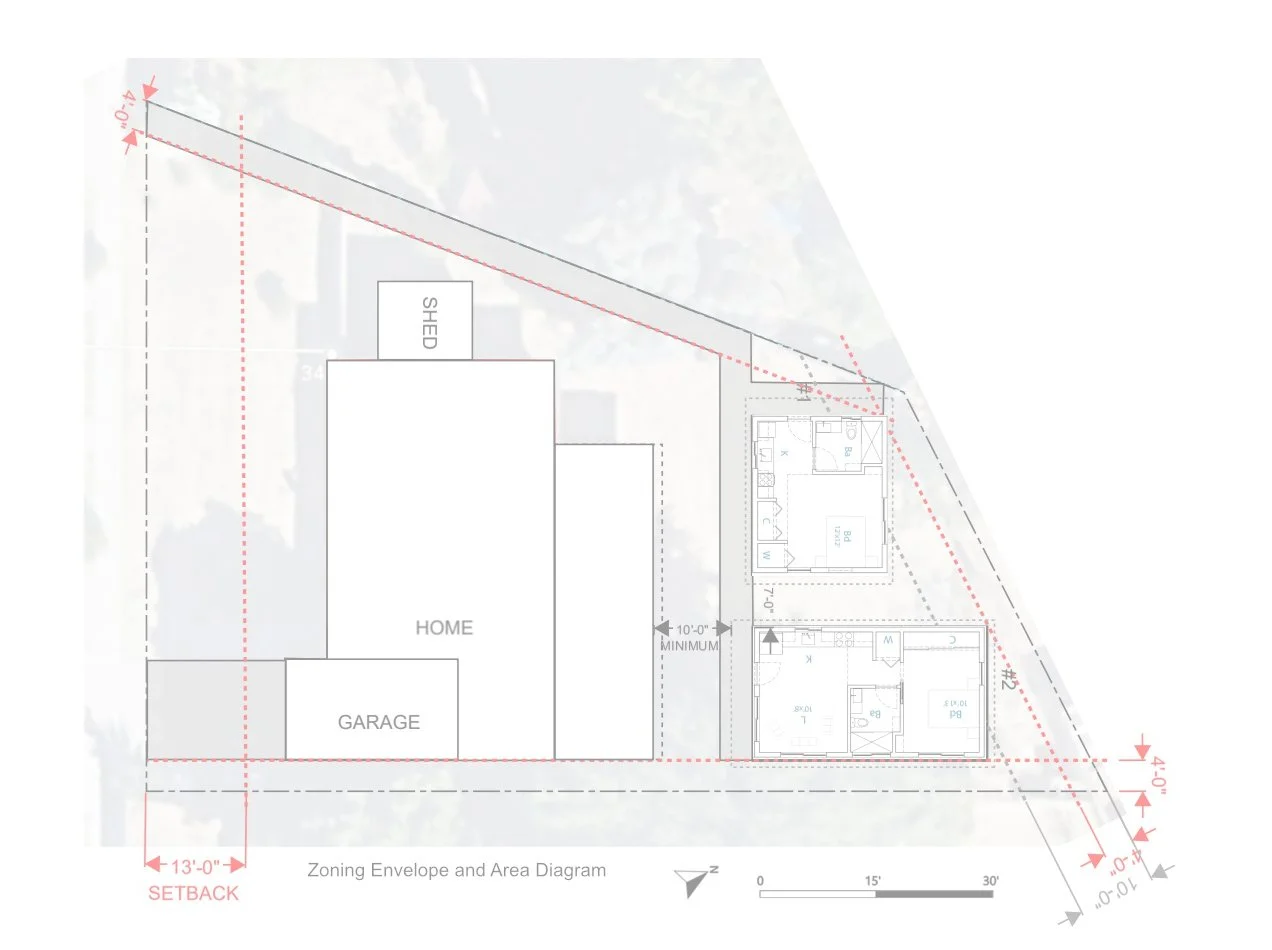
Can zoning actually support the proposed use?
Do site constraints reduce buildable area or unit count?
Does the scope align with realistic construction costs and value?
Are there hidden issues that delay permitting or financing?
Harbor & Hill closes this feasibility gap by answering these questions before major design, appraisals, or financing decisions are made.

What We Do
Architecture, Feasibility, and Development Strategy
Harbor & Hill helps homeowners, buyers, lenders, and real estate professionals understand what is realistically possible on a site before major time or capital are committed. The work focuses on early feasibility, zoning clarity, and site constraints that often stall or derail residential projects in Whatcom County.
Core Services
Early Feasibility Analysis – Zoning review, site constraints, and buildable options
Pre-Purchase Due Diligence – “Should I buy this property?” analysis for buyers and investors
ADUs and Missing Middle Housing – Feasibility and early test fits
Full Architectural Services – Available after feasibility validates project viability
Why Trust Harbor & Hill
Clear Information Leads to Smarter Projects
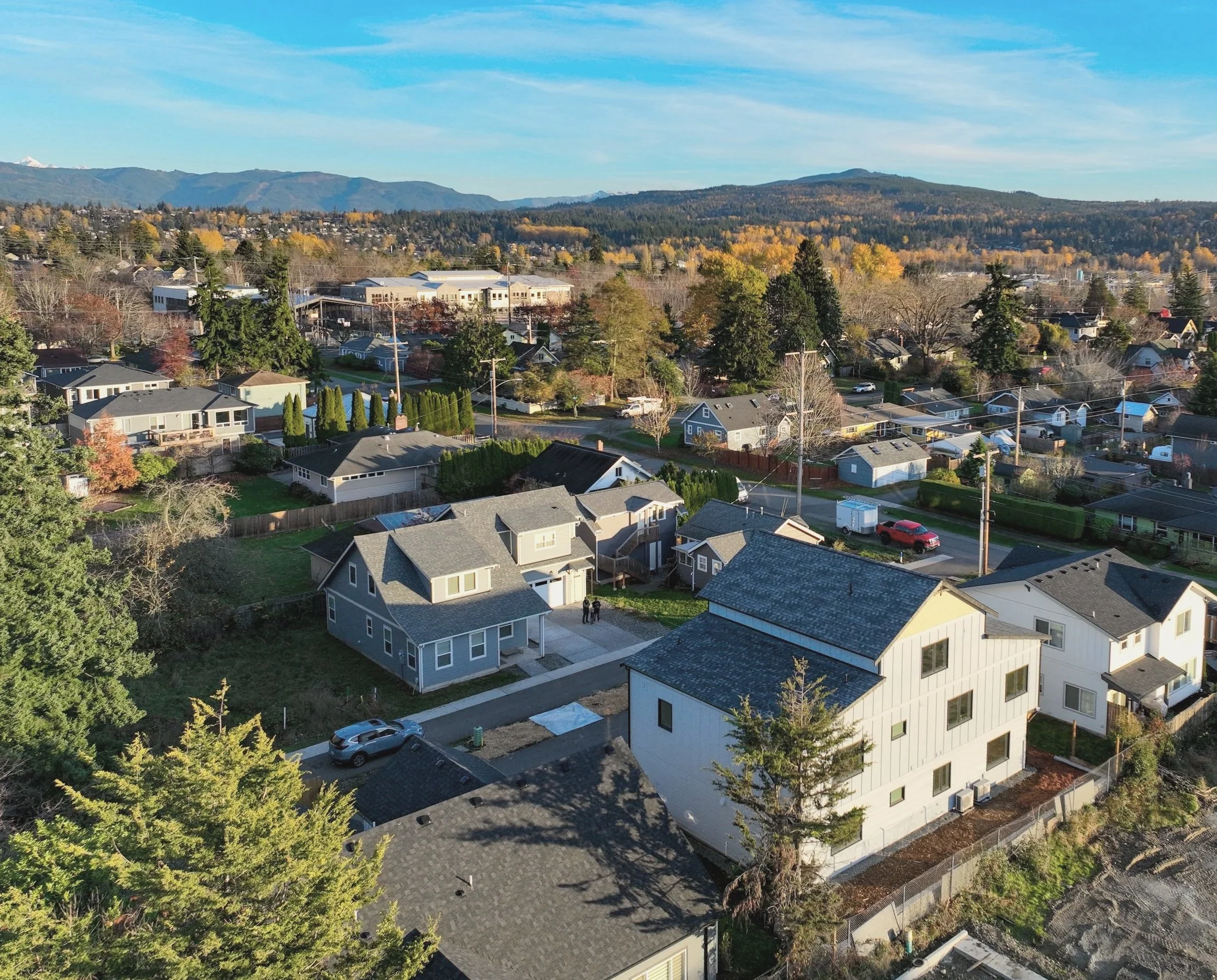
I designed, permitted, and owner-built my own 4,100 sf home with a permitted 800 sf ADU that produces rental income.
This hands-on experience navigating zoning, budgets, and construction informs every feasibility analysis I deliver.
I do not just advise on feasibility. I have proven it with my own capital.
The Process
Clear steps to early answers
Phase 1: Early Feasibility & Site Strategy
We test constraints such as zoning, site conditions, and financial viability so design work focuses on paths that can actually succeed.
Key Outcome:
Is this project viable? Should we proceed, adjust scope, or walk away.
Typical Deliverables:
Feasibility memo, zoning summary, massing options, rough cost ranges
Phase 2: Concept Design & Path Selection
We develop a few directions supported by code compliance and buildability to help you choose the best path with transparency on tradeoffs.
Key Outcome: Which design direction best aligns with goals and budget.
Phase 3: Schematic Design & Coordination
We refine the selected option and coordinate with consultants so the design is buildable and aligned with budget.
Key Outcome: Commitment to design direction before detailed work begins.
Phase 4: Permitting & Construction Support
We prepare permit-ready documents and remain available during construction to answer questions and maintain design intent.
Later phases vary based on project type, scope, and permitting requirements and are defined after feasibility is confirmed.
Not every project requires all four phases.
Many engagements begin with Phase 1 feasibility work to validate the path forward before committing to full design.
Clear the feasibility before committing further
Before design, financing, or construction moves forward, a short feasibility conversation can clarify zoning, constraints, and realistic next steps.